
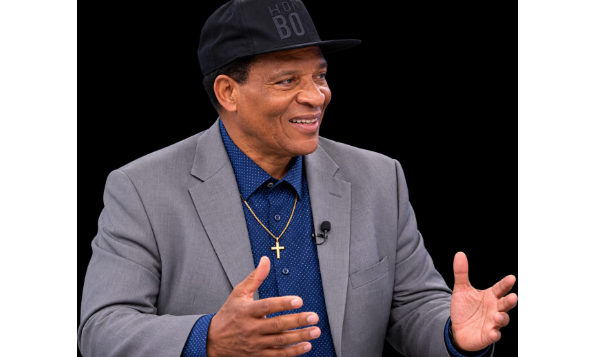
By Dr Mike Uyi
There comes a point when the person making an allegation becomes as important as the allegation itself. This is where I believe Nigerians must begin in considering the latest claims coming from Sandra Chidinma Duru, also known as Professor Mgbeke.
My concern is not simply what Sandra Duru is saying today. My concern is whether she has established enough credibility for Nigerians to accept what she says without asking serious questions.
A messenger who has repeatedly found herself at the centre of controversial allegations cannot expect the public to accept every new revelation without examining her record. That is not prejudice. It is common sense.
In May 2025, Duru publicly accused Senator Natasha Akpoti-Uduaghan of offering her N200 million to make allegations against Senate President Godswill Akpabio. She presented audio recordings which she claimed supported her account. Akpoti-Uduaghan denied the allegations and disputed the material presented by Duru.
That episode matters because it shows the kind of highly charged political controversy in which Duru has already played a prominent role.
There were also subsequent allegations by journalist Maazi Obinna Oparaku Akuwudike that Duru paid him N2.5 million to fabricate material. Those allegations were publicly reported, but they remain allegations and should not be treated as judicially established facts.
So when the same person now comes forward with another explosive set of allegations, Nigerians have every right to ask: why should we simply believe her?
This is the heart of the matter. An audio recording is not a verdict. A voice on a recording is not, by itself, proof of the entire story attached to it. Context matters. Authenticity matters. The circumstances surrounding the recording matter. Most importantly, the credibility of the person presenting the material matters.
And in my assessment, Sandra Duru has not built the kind of credibility that should make Nigerians accept her latest claims without serious scrutiny.
What makes the present situation even more troubling is the apparent change in direction. A person who previously positioned herself publicly as a defender of Senator Godswill Akpabio and an accuser of his principal political adversary is now presenting herself in a dramatically different light. That change does not automatically make her latest claims false, but it certainly raises questions about consistency and motive.
What changed? Why the change? And why now? These are questions Nigerians should ask.
For me, the pattern increasingly looks like an attempt to put the Senate President under sustained political and reputational pressure. That is why I use the word blackmail.
Blackmail is not necessarily about demanding money. It can also involve the repeated use of damaging allegations, threatening revelations and sensational material to place a person under pressure and create public distrust around him.
That, in my opinion, is what Nigerians should examine carefully in this case.
The political timing also cannot simply be ignored.
Nigeria is moving gradually towards the 2027 general elections. Senator Akpabio occupies one of the most influential political positions in the country. A sustained campaign that creates suspicion around him, damages his reputation and generates disaffection within the Senate and among members of the public will inevitably have political consequences.
I therefore believe Nigerians should consider whether the repeated allegations and recordings are part of an attempt to create disaffection against the Senate President as the 2027 political season approaches.
That is my conclusion from the pattern I have observed. Questioning a messenger is a demand for accountability.
Nigerians should not be expected to accept an allegation simply because it comes wrapped in a dramatic recording or an emotional presentation.
The burden is even greater when the messenger's own history has become part of the controversy.
This is why I believe the public conversation should move away from the drama and return to the fundamental question of credibility.
Who is speaking? What has this person said before? Has the person been consistent? What happened to previous claims? What independent evidence exists? And can the latest allegations stand on their own without depending entirely on the credibility of the person making them?
These are legitimate questions in any democracy.
The 2027 elections should not become a season in which political reputations are destroyed through reckless claims, sensational recordings and social-media campaigns.
The public should not be asked to suspend common sense simply because the messenger has another dramatic story to tell.
For me, the central issue remains credibility.
And when the credibility of the messenger is seriously in doubt, Nigerians must be extremely careful about accepting the message.
That is why, in my view, Sandra Duru's latest intervention deserves scrutiny rather than unquestioning belief.
The messenger matters. The message matters. But when the messenger has repeatedly become part of the controversy surrounding the message, Nigerians must look beyond the drama and demand something more enduring than allegations: evidence, consistency and credibility.
If antecedents are to be taken seriously, then Professor Sandra Suru cannot be believed by any right thinking member of the society.
Dr Mike Uyi is the President, Global Peace Movement International, UK